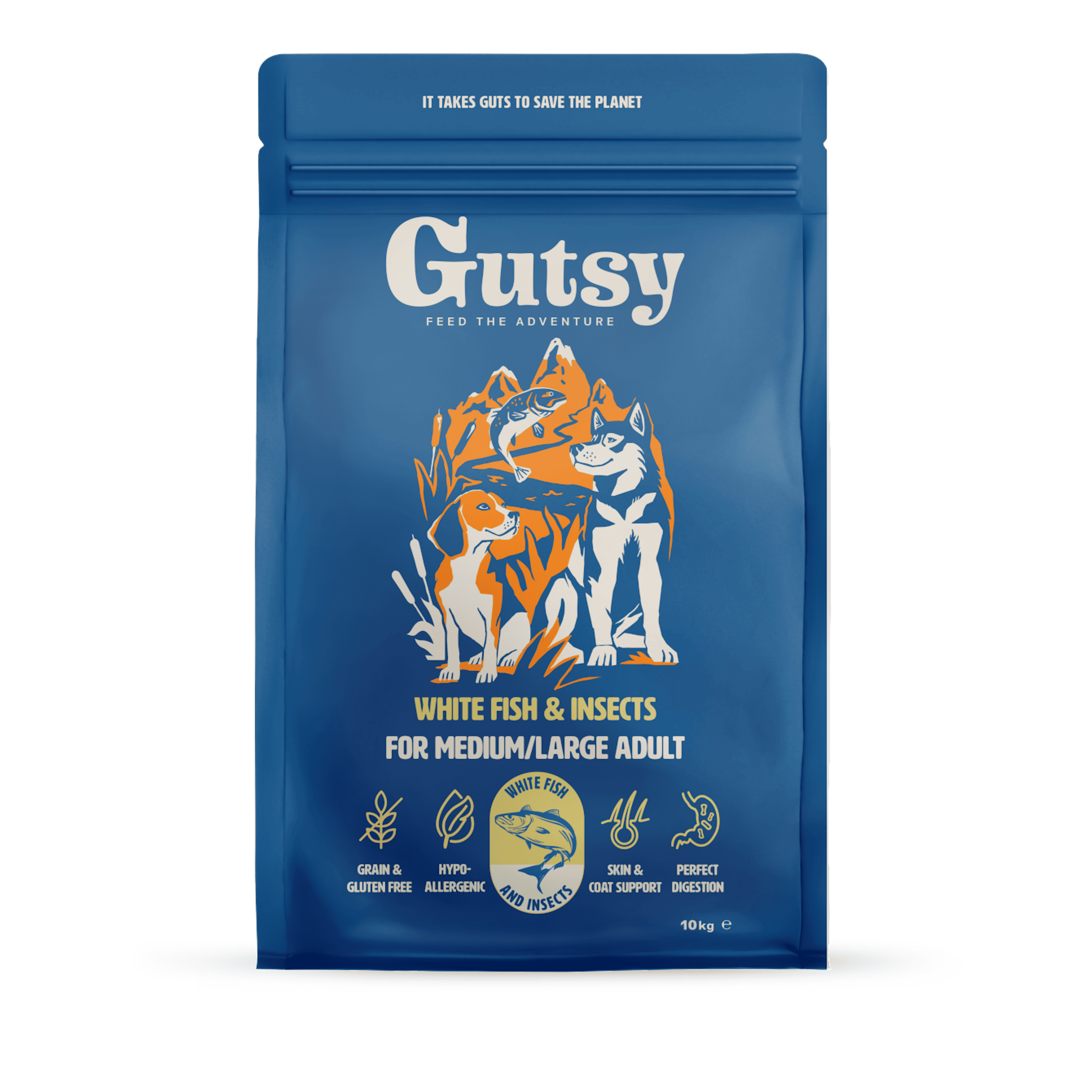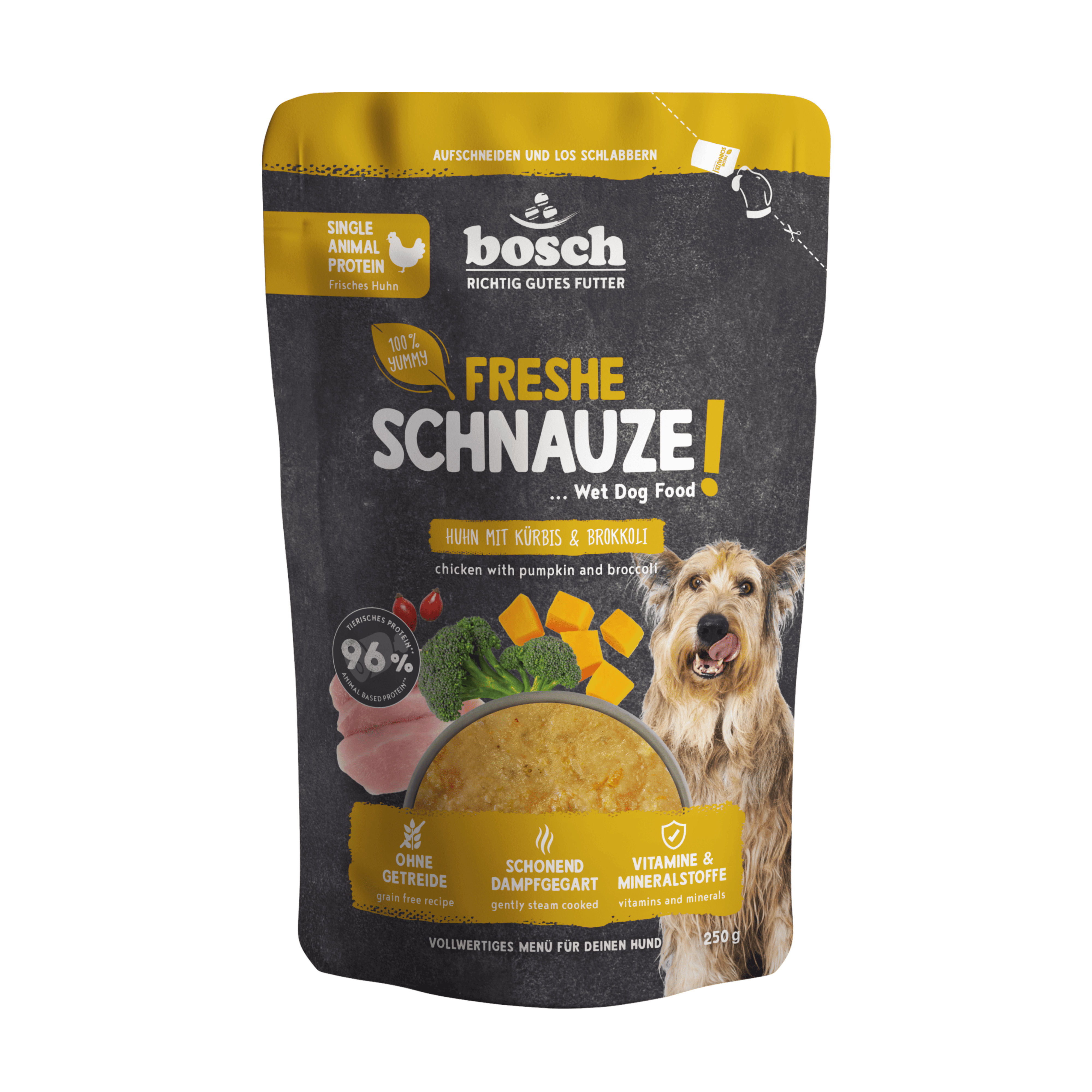

Article: My Dog won’t eat his kibble anymore: what should I do?
My Dog won’t eat his kibble anymore: what should I do?
When your dog refuses to eat his kibble, it can be stressful. While it may simply be a picky phase, it can also indicate stress, discomfort, or a health problem.
In this guide, learn the most common reasons why dogs stop eating kibble and the best practical tips to help your dog eat normally again.

1. Why won’t my dog eat his kibble anymore?
Understanding the root of the problem is essential before changing anything in your dog’s diet. The reasons can be behavioral, dietary, or medical.
A. Behavioral and dietary causes
1. Too many treats or table scraps
When a dog often receives leftovers, cheese, cold cuts, or treats, he can quickly develop preferences. Human food is usually fattier, saltier, more fragrant, in other words, far more appealing than kibble. Over time, your dog may start waiting for the more appetizing food and purposely reject his kibble. This is very common, especially in clever dogs who quickly learn how to “negotiate” their meals.
Additionally, if your dog snacks too much between meals, he may simply not be hungry anymore and naturally ignore his kibble.
2. Boredom with the same food
Even though kibble is complete and balanced, some dogs like variety, especially after tasting something new. This can lead to gradual disinterest: eating more slowly, leaving food in the bowl, or refusing it altogether. This often happens after a stay in boarding, a routine change, or the recent introduction of a new type of food.
3. Portions that are too large
Many owners overestimate their dog’s energy needs. Oversized portions naturally reduce appetite, your dog eats what he needs and then stops. It may look like he “doesn’t want to eat anymore,” when in reality, he is simply full.
4. Abrupt food change
Switching suddenly from one brand or formula to another can disrupt your dog, both in terms of taste and digestion. Some dogs adapt quickly, but others reject new kibble they don’t recognize or immediately enjoy. So if your dog refuses his new food, it doesn’t necessarily mean he dislikes it. He simply needs a gradual transition, for both flavor and digestive comfort.
5. Stress or disruptive events
Dogs are sensitive to changes: moving to a new home, the arrival of a baby or another pet, the owner being away, or even a noisy eating environment. All of these can affect appetite and cause your dog to stop eating kibble. Anxious dogs, in particular, often need calm and consistent routines to eat properly.
6. Loss of freshness in the kibble
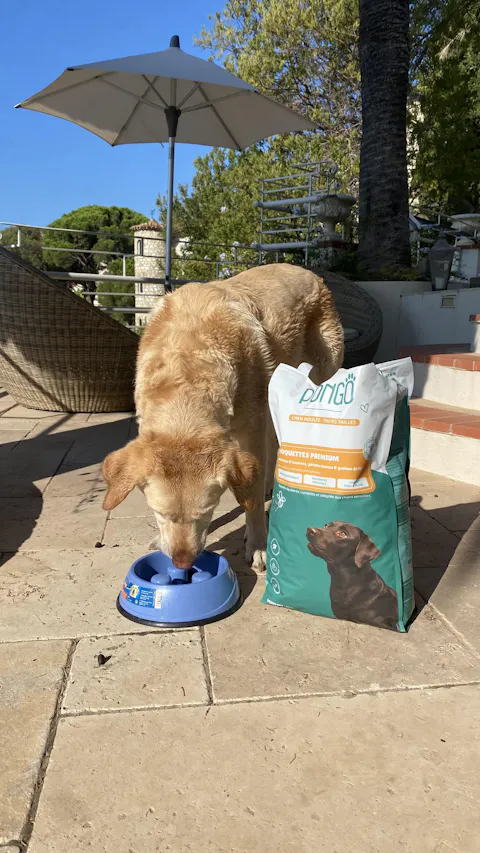
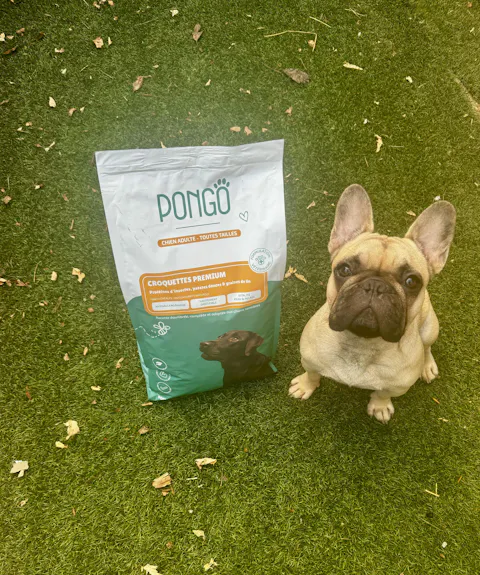
A bag that has been open for several weeks loses much of its aroma. For a dog with a highly developed sense of smell, the food becomes less appealing. Fat oxidation can even alter the taste. This is especially common with very large bags that last too long. That’s why at PONGO, we offer 4 kg bags, also sold in packs of 3 (12 kg). Two key advantages:
-
Easier to store than a huge bag
-
No loss of freshness or aroma
7. Everyday little things
Hot weather, lack of exercise, kibble that’s too large or too small, too hard or too soft, or even a new bowl can influence appetite. Sometimes, a tiny detail that seems insignificant to us makes a big difference for a dog.
Most of these causes are under your control, which means the issue can usually be resolved quickly.
B. Medical causes
Although not all loss of appetite is caused by health issues, you must keep this possibility in mind.
1. Dental pain
Tartar, gingivitis, infected teeth, or oral cysts can make chewing painful, causing your dog to avoid kibble. Senior dogs and small breeds (more prone to tartar) are especially at risk. These dogs may walk to the bowl, sniff it… and walk away without eating.
2. Digestive issues and nausea
A dog with stomach pain, bloating, or who has eaten something inappropriate may lose his appetite. Dogs prone to gastritis, reflux, or digestive sensitivity are often affected. Nausea alone can be enough to reduce appetite for several hours, just like it does in humans.
3. Internal illnesses
Certain health conditions, even mild ones, can immediately decrease appetite, such as:
-
Fever
-
Infections
-
Kidney, liver, or hormonal diseases
-
Viral illnesses
-
Cancers
In puppies, intestinal parasites or teething can also lead to reduced appetite.
4. Aging
Senior dogs may eat less for many reasons: slower metabolism, pain, nausea linked to early kidney disease, slower digestion, or increased sensitivity to smell and texture. Aging naturally changes a dog’s relationship with food.

2. How to get your dog to eat again
Once the cause is identified, several adjustments can help your dog regain interest in his food.
A. Improving the feeding routine
1. Reduce extras
If your dog is refusing his kibble, it might be because he’s snacking too much! Start by completely cutting out table scraps and limiting treats. This helps your dog understand that his main food is in the bowl, not elsewhere. It may take a few days, but consistency pays off.
2. Check the portion size
You may think your dog is refusing kibble, but in reality, the portion might be too large. A quick calculation can show if you’re overfeeding. Reducing the portion slightly or following the recommended amounts based on weight and activity level can solve the issue without any other interventions. Check the feeding chart on the back of the kibble bag, or contact the brand for guidance if you’re unsure.
3. Establish a fixed feeding schedule
Don’t give the full portion at once, divide it into at least two meals per day. Serve the bowl at regular times and remove it after about 20 minutes. This creates a routine and teaches your dog that food isn’t always available.
4. Gradual food transition
If your dog refuses new kibble, mix the old and new food gradually over 7–10 days. This allows your dog to get used to the new taste and reduces digestive upset.
5. Provide a comfortable eating environment
Eating in a calm area, away from heavy traffic or other intrusive pets, can reassure your dog. For senior dogs or those with arthritis, slightly elevating the bowl can make mealtime more comfortable.
6. Store kibble properly
Use an airtight container, keep it in a dry, temperate place, and choose bag sizes suitable for your monthly consumption.
Proper storage preserves aroma and freshness, increasing palatability.
B. Making kibble more appealing
1. Add a little water
Water enhances aroma, softens kibble, and makes it easier to eat. Ideal for older dogs or those who struggle to chew.
Softer kibble is also easier to digest for dogs with larger or harder pieces.
2. Add a drizzle of fish oil
Salmon or mackerel oil adds an irresistible scent for most dogs while supporting skin and joint health.
3. Mix in a small amount of wet food
A spoonful of pâté can transform a bowl completely.
Adjust kibble portions slightly to avoid overfeeding.
4. Use toppers or broths
Pour low-sodium homemade broth or special dog soups over the kibble. Serve cold to preserve nutrients. These options stimulate appetite without unbalancing the meal.
5. Add vegetables (vegetables cooked by steam)
Like wet food or toppers, a bit of zucchini, carrots, or green beans adds variety and texture while remaining healthy.
6. Rotate kibble flavors
If your dog has no digestive issues, alternate between different kibble flavors to prevent boredom. You can also mix two types of kibble.
3. When to consult a veterinarian
Consult a professional if your dog’s appetite loss persists or is accompanied by other concerning symptoms.
Seek veterinary advice promptly if:
-
Your dog hasn’t eaten for more than 24 hours
-
He is vomiting, has diarrhea, or abnormal stools
-
He seems lethargic, less energetic, or is losing weight suddenly
-
You notice bad breath, red gums, or refusal to chew
A vet can perform a thorough checkup, assess oral, digestive, and overall health, and recommend treatment or a suitable diet if necessary.
Conclusion
A dog refusing his kibble isn’t always sick, but the situation needs careful analysis. If your dog is motivated by treats but not by kibble, it’s likely a picky habit or lack of interest in the food.
However, if appetite drops along with energy, weight, or behavior, don’t wait, consult a veterinarian.
FAQ – frequently asked questions
Why won’t my dog eat his kibble anymore?
Several reasons may explain this behavior. It’s not necessarily because your dog is “picky.” Causes include health problems (dental pain, digestive issues, illness, appetite loss), dislike of the kibble (taste, smell, texture, stale food), or behavioral/environmental factors (stress, routine changes, too many treats or scraps).
When should I worry and see a vet?
If kibble refusal lasts more than 24–48 hours, especially in puppies or sensitive dogs, or is accompanied by symptoms like vomiting, diarrhea, lethargy, pain, weight loss, or difficulty chewing, consult a vet.
Why does my dog suddenly refuse the same kibble he always ate?
Dogs can get bored of the same taste or texture. Stale kibble or loss of aroma also reduces appeal. Habit changes like more treats or table scraps may make kibble less attractive.
How can I encourage my dog to eat kibble?
-
Check freshness, storage, and expiration dates
-
Reduce treats and table scraps
-
Add water, a drizzle of oil, or yogurt to enhance aroma and taste
-
Vary kibble brands, flavors, or textures gradually
-
Set a clear feeding routine: serve for 10–15 minutes, then remove the bowl
Can I replace kibble with something else?
Yes, if kibble is unsuitable. Options include wet food, homemade diets, or age-appropriate specialized diets. Ensure the new food is balanced and avoid sudden changes.
Is it normal for older dogs to eat less?
Yes. Aging affects metabolism, digestion, teeth, and appetite. Older dogs may need softer or more suitable kibble to maintain intake.
What if it’s not health-related but picky behavior?
Some dogs become “gourmets” if used to treats or human food. Discipline is essential: limit treats, maintain routine, and optionally add toppers like oil, yogurt, or wet food to improve palatability.